Product recallFSA
Lactalis McLelland goat cheeses recalled over Listeria
Lactalis McLelland Ltd have taken the precautionary step of recalling various goat cheeses because the products might contain Listeria monocytogenes.
Check your product
Only products that match these details are covered. Have your pack in front of you.
Cricket St. Thomas Capricorn Goat Cheese 100g
- Use byOn the lid, sleeve or label.
- 26 May 2023
Somerset Capricorn Goat Cheese 100g
- Use by
- 26 May 2023
Somerset Capricorn Goat Cheese 85g
- Use by
- 26 May 2023
Co-op Goats Cheese 85g
- Use by
- 26 May 2023
What to do now
This recall is about Listeria monocytogenes. Chilling does not stop it and there is no smell or change in colour to warn you, so treat the affected Lactalis McLelland goat cheeses as contaminated.
- Do not eat it, even cooked or reheated, and do not give it to anyone else.
- Wipe down everything the pack touched in the fridge and on the worktop, then wash your hands. Cold surfaces are where Listeria lingers.
- Take it back to Co-op for a full refund, or throw it away if you prefer. You do not usually need a receipt.
- If you froze some or put it into another container, check those portions too.
Why it matters. Listeriosis can take a long time to show itself, sometimes weeks after eating. In pregnancy it can harm the baby even when the mother only feels mildly unwell, which is why the FSA treats any Listeria finding in ready-to-eat food as a reason to clear the shelves.
Symptoms and when to get help
Look out for
- a high temperature
- aches and pains
- chills
- feeling or being sick
- diarrhoea
Get help urgently
- you are pregnant and have eaten the product, even if you feel well — speak to your midwife, GP or NHS 111
- a stiff neck, sensitivity to light, confusion or a severe headache — call 999 or go to A&E
- a newborn baby who is unwell, floppy or not feeding
This is general information based on NHS public guidance, not medical advice. In an emergency call 999. For urgent advice use NHS 111 (NHS 24 on 111 in Scotland) or, in Northern Ireland, your GP or out-of-hours service.
Getting your money back
Shops selling the product will display a point-of-sale notice and accept returns. You are entitled to your money back; you are not obliged to accept a voucher or replacement unless you want one.
Under the Consumer Rights Act 2015, food must be of satisfactory quality and as described. A recalled product does not meet that standard.
From the official notice
Published by the Food Standards Agency (FSA-PRIN-11-2023). Quoted as issued.
Summary
Lactalis McLelland Ltd have taken the precautionary step of recalling various goat cheeses because the products might contain Listeria monocytogenes.
The risk
The products listed above might be contaminated with Listeria monocytogenes.
Symptoms caused by this organism can be similar to flu and include high temperature, muscle ache or pain, chills, feeling or being sick and diarrhoea. Some people are more vulnerable to listeria infections, including those over 65 years of age, pregnant women and their unborn babies, babies less than one month old and people with weakened immune systems.
Action taken
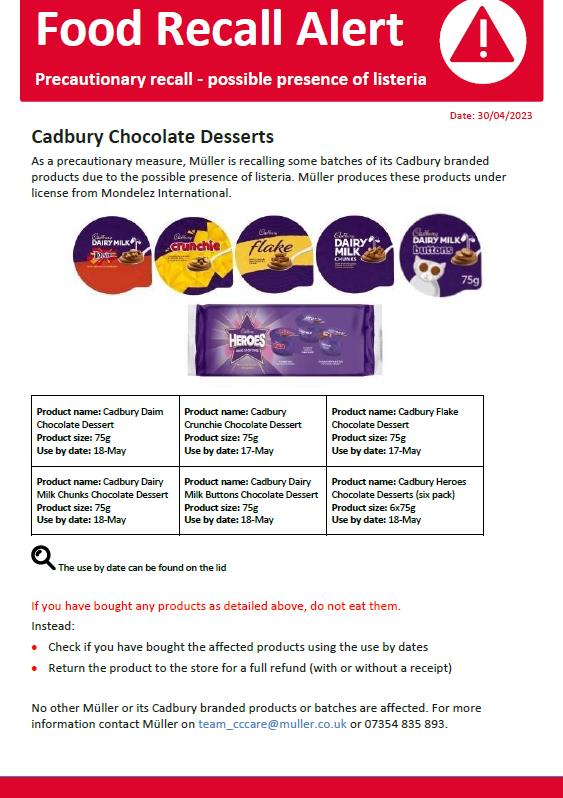
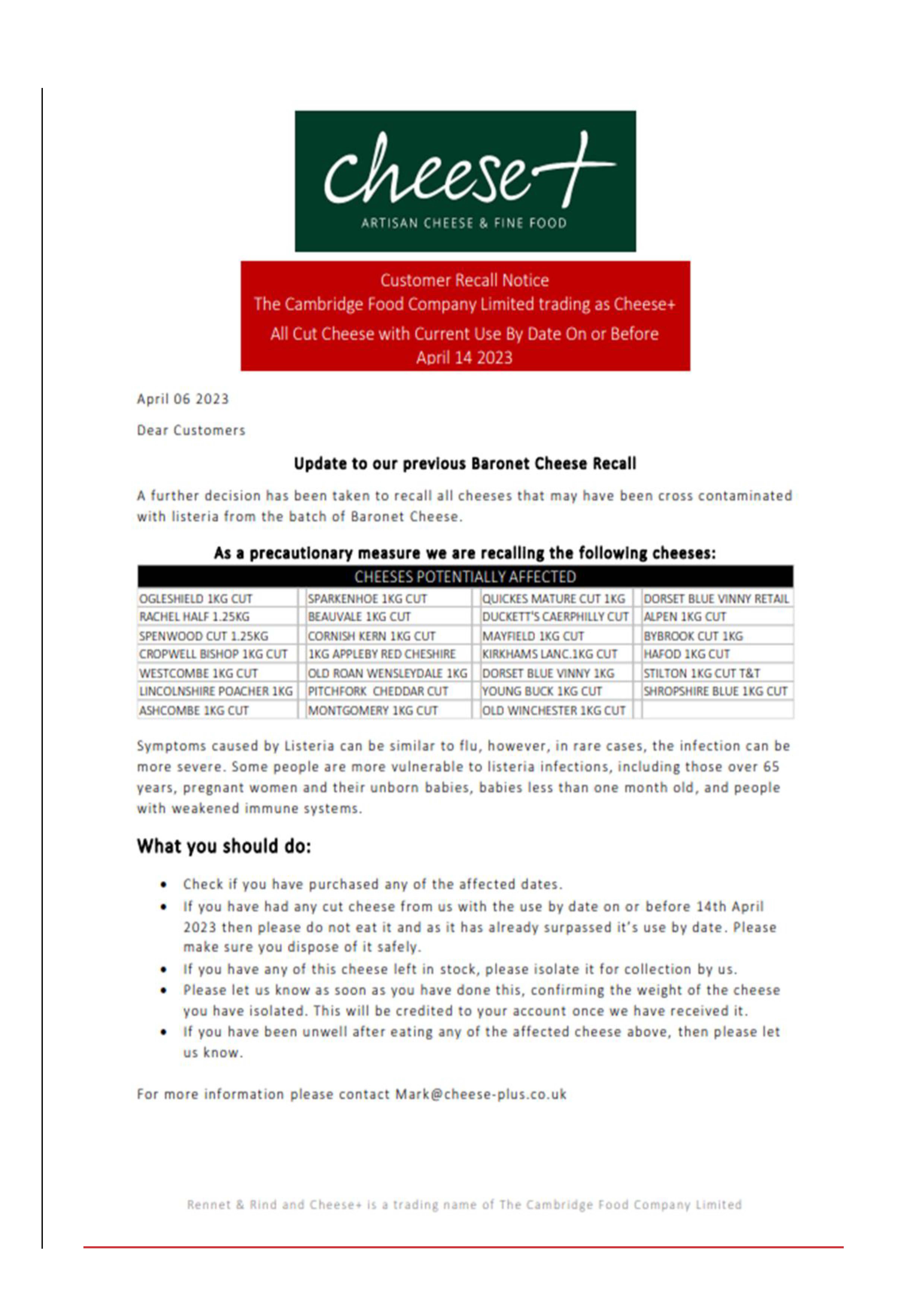
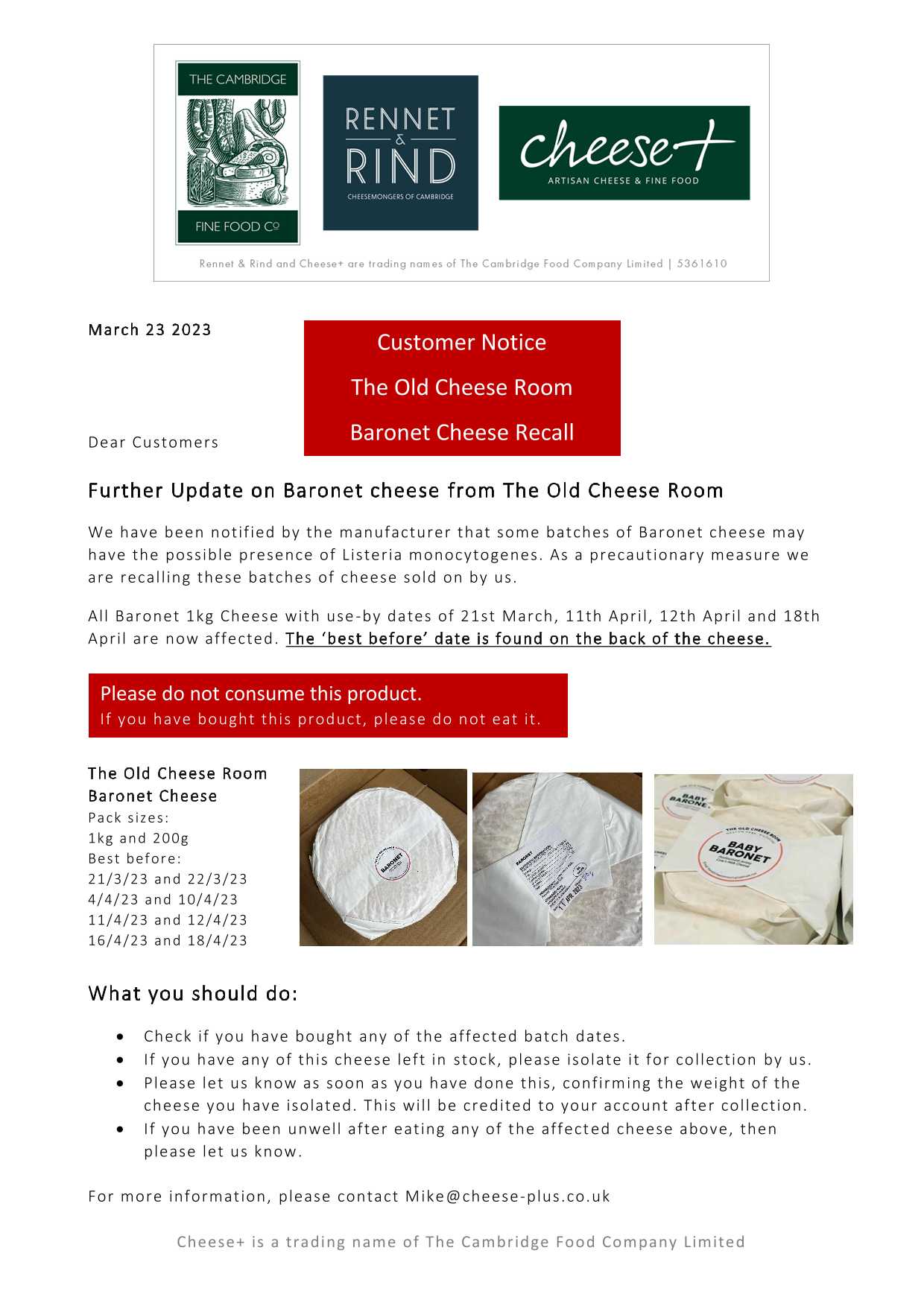
Lactalis McLelland Ltd is recalling the above products. Lactalis McLelland Ltd and Co-op have issued point-of-sale notices to their customers. These notices explain to customers why the products are being recalled and tell them what to do if they have bought the products. Please see the attached notices.
Advice to consumers
If you have bought any of the above products do not eat them. Instead, return them to the store from where they were bought for a full refund.
Open the FSA notice
Questions
Why has Lactalis McLelland goat cheeses been recalled?
This recall is about Listeria monocytogenes. Chilling does not stop it and there is no smell or change in colour to warn you, so treat the affected Lactalis McLelland goat cheeses as contaminated. Listeriosis can take a long time to show itself, sometimes weeks after eating. In pregnancy it can harm the baby even when the mother only feels mildly unwell, which is why the FSA treats any Listeria finding in ready-to-eat food as a reason to clear the shelves.
How do I know if my product is affected?
Compare the use by on your product with the details listed under “Check your product” on this page. Only items that match are covered by the notice.
What should I do now?
Do not eat it, even cooked or reheated, and do not give it to anyone else. Wipe down everything the pack touched in the fridge and on the worktop, then wash your hands. Cold surfaces are where Listeria lingers.
Can I get a refund?
Shops selling the product will display a point-of-sale notice and accept returns. You are entitled to your money back; you are not obliged to accept a voucher or replacement unless you want one. Under the Consumer Rights Act 2015, food must be of satisfactory quality and as described. A recalled product does not meet that standard.
I have already eaten some. What now?
Most people who eat food with Listeria do not become ill. Keep an eye out for flu-like symptoms over the coming weeks. If you are pregnant, over 65 or have a weakened immune system, tell your GP, midwife or NHS 111 that you ate a recalled product, even if you feel fine.