Product recallFSAUpdated
French Bries recalled over Listeria
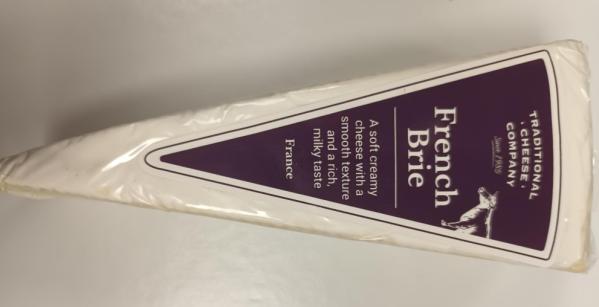
Traditional Cheese Company is recalling French Bries because they contain Listeria monocytogenes. This PRIN has been updated to correct the use by date for the Traditional Cheese Company French Brie product to 10th July 2026 only.
Point-of-sale notice published with the recall 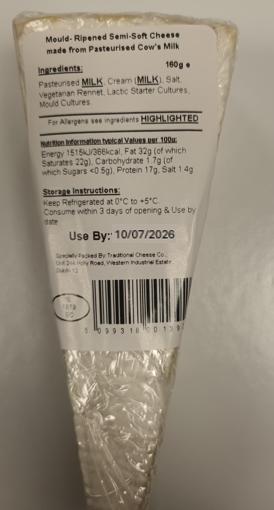
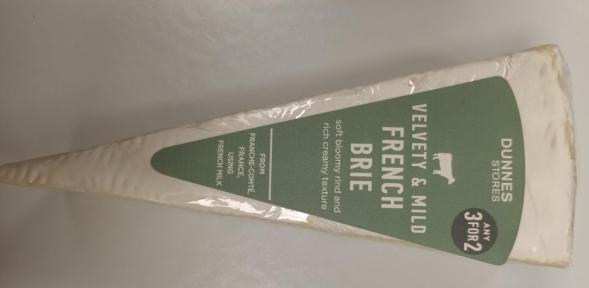
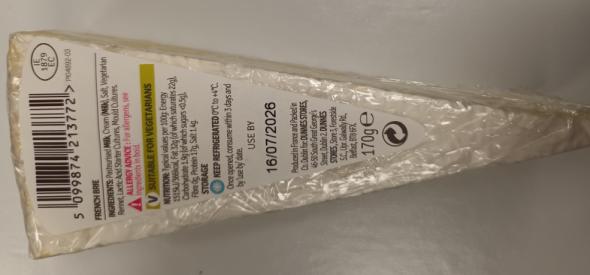
Check your product
Only products that match these details are covered. Have your pack in front of you.
4 identifiers listed for this notice.
Dunnes Stores Velvety & Mild French Brie 170g
- BarcodeThe long number printed under the barcode.
- 5099874213772
- Use byOn the lid, sleeve or label.
- 10, 16 and 17 July 2026
Traditional Cheese Company French Brie 160g
- Barcode
- 5099318001392
- Use by
- 10 July 2026
What to do now
The agency has found, or cannot rule out, Listeria in French Bries. Most healthy adults would have a mild illness at worst, but for pregnancy, newborns, older people and anyone with lowered immunity it is serious.
- Keep it out of the meal plan altogether. Cooking at home is not the remedy the recall asks for.
- Clean the fridge shelf, containers and boards it touched with hot soapy water. Listeria can survive on cold surfaces after the food has gone.
- Return it to the shop where you bought it for a refund. Shops normally accept recalled food without a receipt.
- Look for other packs at home: the recall covers every pack that matches the details below.
Why it matters. Listeriosis can take a long time to show itself, sometimes weeks after eating. In pregnancy it can harm the baby even when the mother only feels mildly unwell, which is why the FSA treats any Listeria finding in ready-to-eat food as a reason to clear the shelves.
Symptoms and when to get help
Look out for
- a high temperature
- aches and pains
- chills
- feeling or being sick
- diarrhoea
Get help urgently
- you are pregnant and have eaten the product, even if you feel well — speak to your midwife, GP or NHS 111
- a stiff neck, sensitivity to light, confusion or a severe headache — call 999 or go to A&E
- a newborn baby who is unwell, floppy or not feeding
This is general information based on NHS public guidance, not medical advice. In an emergency call 999. For urgent advice use NHS 111 (NHS 24 on 111 in Scotland) or, in Northern Ireland, your GP or out-of-hours service.
Getting your money back
The quickest route is to take the pack, or a photo of its label, back to the shop. Most retailers refund recalled products without proof of purchase.
If a shop refuses, the Citizens Advice consumer helpline (0808 223 1133), Advice Direct Scotland (0808 164 6000) or Consumerline in Northern Ireland (0300 123 6262) can tell you what to do next.
From the official notice
Published by the Food Standards Agency (FSA-PRIN-28-2026). Quoted as issued.
Summary
Traditional Cheese Company is recalling French Bries because they contain Listeria monocytogenes.
This PRIN has been updated to correct the use by date for the Traditional Cheese Company French Brie product to 10th July 2026 only.
The risk
The presence of Listeria monocytogenes in the products listed above. Symptoms caused by Listeria monocytogenes can be similar to flu and include high temperature, muscle ache or pain, chills, feeling or being sick and diarrhoea. However, in rare cases, the infection can be more severe, causing serious complications, such as meningitis. Some people are more vulnerable to listeria infections, including those over 65 years of age, pregnant women and their unborn babies, babies less than one month old and people with weakened immune systems.
Action taken
Traditional Cheese Company is recalling the above products. Point of sale notices will be displayed in all retail stores that are selling the products. These notices explain to customers why the products are being recalled and tell them what to do if they have bought the products. Please see the attached notices. Point of Sale Recall Notice Date of Issue: 19/06/2026
Advice to consumers
If you have bought any of the above products, do not eat them. Instead, return them to where you bought them from for a full refund.
Open the FSA notice
Questions
Why has French Bries been recalled?
The agency has found, or cannot rule out, Listeria in French Bries. Most healthy adults would have a mild illness at worst, but for pregnancy, newborns, older people and anyone with lowered immunity it is serious. Listeriosis can take a long time to show itself, sometimes weeks after eating. In pregnancy it can harm the baby even when the mother only feels mildly unwell, which is why the FSA treats any Listeria finding in ready-to-eat food as a reason to clear the shelves.
How do I know if my product is affected?
Compare the barcode and use by on your product with the details listed under “Check your product” on this page. Only items that match are covered by the notice.
What should I do now?
Keep it out of the meal plan altogether. Cooking at home is not the remedy the recall asks for. Clean the fridge shelf, containers and boards it touched with hot soapy water. Listeria can survive on cold surfaces after the food has gone.
Can I get a refund?
The quickest route is to take the pack, or a photo of its label, back to the shop. Most retailers refund recalled products without proof of purchase. If a shop refuses, the Citizens Advice consumer helpline (0808 223 1133), Advice Direct Scotland (0808 164 6000) or Consumerline in Northern Ireland (0300 123 6262) can tell you what to do next.
I have already eaten some. What now?
Most people who eat food with Listeria do not become ill. Keep an eye out for flu-like symptoms over the coming weeks. If you are pregnant, over 65 or have a weakened immune system, tell your GP, midwife or NHS 111 that you ate a recalled product, even if you feel fine.