Product safety reportOPSS
Vevor Ice Maker safety warning over an electric shock risk
Product Safety Report for Vevor Ice Maker presenting a serious risk of electric shock.
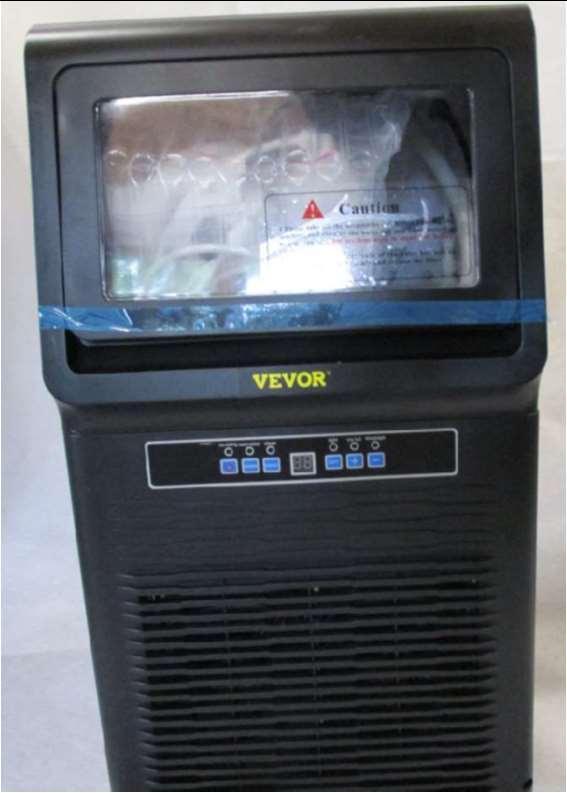
Product image from the OPSS safety notice
Check your product
Only products that match these details are covered. Have your pack in front of you.
2 identifiers listed for this notice.
Vevor Ice Maker
- BarcodeThe long number printed under the barcode.
- NCC221122907258
- ModelOn the rating label, base, back or box.
- KJ-AT25F
What to do now
Vevor Ice Maker could give an electric shock. Live parts may be reachable, or the insulation or earthing may not be good enough.
- Switch it off at the wall and unplug it. Do not use it again, even briefly.
- Do not attempt a home repair or a different plug.
- Because the product was found unsafe on an online marketplace, use the platform’s order page to contact the seller.
- If you cannot reach the seller, Trading Standards can be told through Citizens Advice.
Why it matters. Mains electricity in the UK is 230 volts, enough to cause serious injury or death. Cheap chargers, adaptors and appliances sold online are among the products most often found with this fault.
If someone has been hurt
Look out for
- burns where the current entered or left the body
- tingling, numbness or muscle pain
Get help urgently
- anyone who has had a mains shock and is confused, has chest pain, an irregular heartbeat or burns — call 999. Do not touch them until the power is off
This is general information based on NHS public guidance, not medical advice. In an emergency call 999. For urgent advice use NHS 111 (NHS 24 on 111 in Scotland) or, in Northern Ireland, your GP or out-of-hours service.
Getting your money back
A product safety report usually means the product was bought online and the marketplace has removed the listing. Ask the seller for a refund through the platform where you bought it; many marketplaces have their own buyer protection.
If you paid by credit card and it cost over £100, Section 75 may apply; otherwise your bank may be able to raise a chargeback.
From the official notice
Published by the Office for Product Safety and Standards (2208-0297). Quoted as issued.
Summary
Product Safety Report for Vevor Ice Maker presenting a serious risk of electric shock.
The risk
Then product presents a serious risk of electric shock due to poor external build quality. Several of the self-drilling screws used to fasten the casing together had not been fully tightened and could loosen and fall out due to vibration, over time. The product is not considered suitable for the UK market due to its supply voltage requirement. Improvements are also required to documentation and markings.
The product does not meet the requirements of the Electrical Equipment (Safety) Regulations 2016.
Action taken
Destruction of the product
Advice to consumers
Destruction of the product
Additional information
PSD case number: 2208-0297
Notified by: Local Authority Trading Standards
Product description
Large black ice making machine with Vevor brand name on the front
Open the OPSS notice
Questions
Why has Vevor Ice Maker been reported?
Vevor Ice Maker could give an electric shock. Live parts may be reachable, or the insulation or earthing may not be good enough. Mains electricity in the UK is 230 volts, enough to cause serious injury or death. Cheap chargers, adaptors and appliances sold online are among the products most often found with this fault.
How do I know if my product is affected?
Compare the barcode and model on your product with the details listed under “Check your product” on this page. Only items that match are covered by the notice.
What should I do now?
Switch it off at the wall and unplug it. Do not use it again, even briefly. Do not attempt a home repair or a different plug.
Can I get a refund or a repair?
A product safety report usually means the product was bought online and the marketplace has removed the listing. Ask the seller for a refund through the platform where you bought it; many marketplaces have their own buyer protection. If you paid by credit card and it cost over £100, Section 75 may apply; otherwise your bank may be able to raise a chargeback.