Product safety reportOPSS
Lithium Battery Charger szYB-100W-42V2A safety warning over an electric shock risk
Product Safety Report for Lithium Battery Charger szYB-100W-42V2A presenting a serious risk of electric shock.
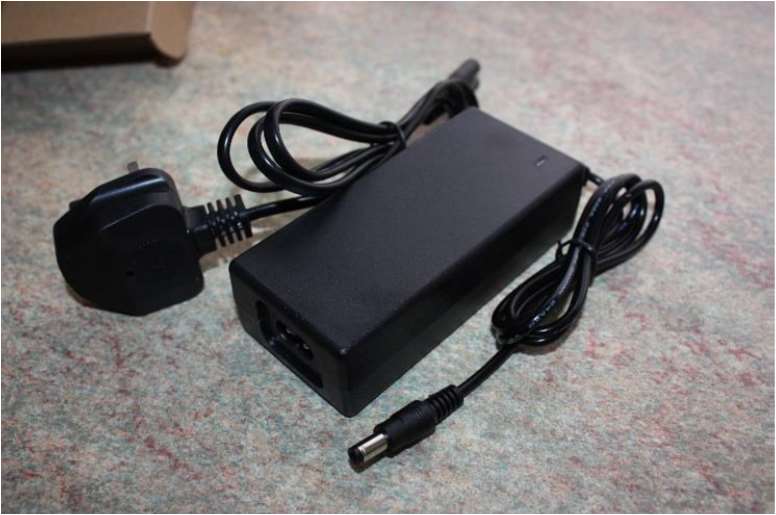
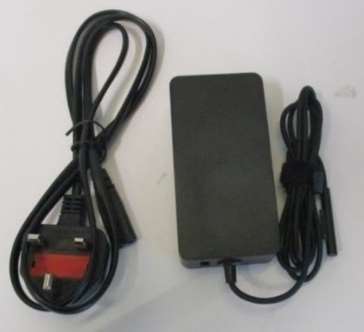
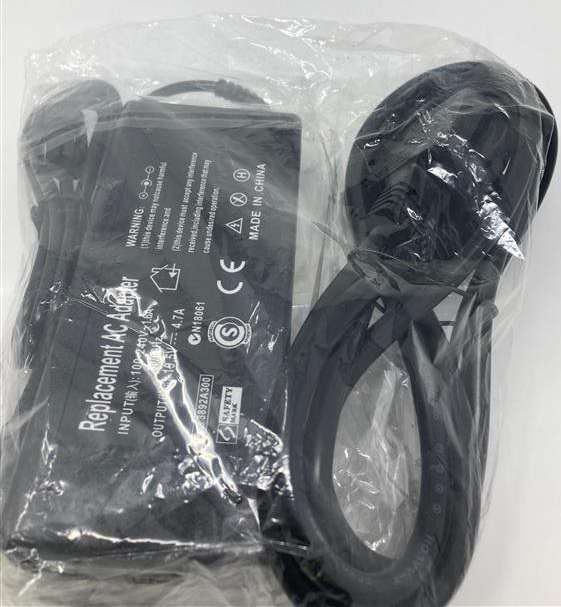
Product image from the OPSS safety notice 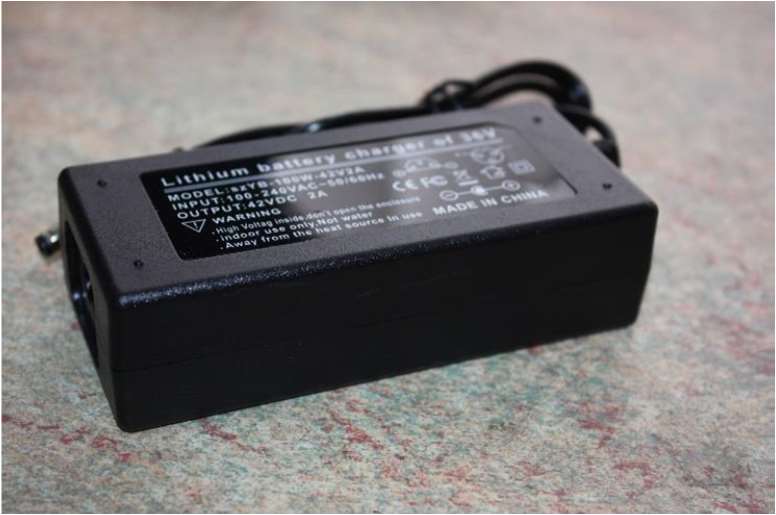
What to do now
An electrical fault in the design or build of Lithium Battery Charger szYB-100W-42V2A means it could shock the person using it.
- Switch it off at the wall and unplug it. Do not use it again, even briefly.
- Do not attempt a home repair or a different plug.
- The marketplace has removed the listing. Contact the seller through your order history to ask for a refund.
- If you cannot reach the seller, Trading Standards can be told through Citizens Advice.
Why it matters. Mains electricity in the UK is 230 volts, enough to cause serious injury or death. Cheap chargers, adaptors and appliances sold online are among the products most often found with this fault.
If someone has been hurt
Look out for
- burns where the current entered or left the body
- tingling, numbness or muscle pain
Get help urgently
- anyone who has had a mains shock and is confused, has chest pain, an irregular heartbeat or burns — call 999. Do not touch them until the power is off
This is general information based on NHS public guidance, not medical advice. In an emergency call 999. For urgent advice use NHS 111 (NHS 24 on 111 in Scotland) or, in Northern Ireland, your GP or out-of-hours service.
Getting your money back
Sellers on online marketplaces do not always run recalls themselves, so you may need to ask for your money back. The platform’s help pages explain its buyer protection scheme.
Citizens Advice (0808 223 1133), Advice Direct Scotland (0808 164 6000) and Consumerline (0300 123 6262) give free advice if you get stuck.
From the official notice
Published by the Office for Product Safety and Standards (2304-0144). Quoted as issued.
Summary
Product Safety Report for Lithium Battery Charger szYB-100W-42V2A presenting a serious risk of electric shock.
The risk
The product presents a serious risk of electric shock as it failed the electric strength test. The insulation between the input and output circuits broke down when a 2.92 kV test voltage was applied between the circuits. The plug did not comply with BSEN 1361-1 and the fuse did not comply with BS1362. The fuse had not been supplied with any granular filler. The filler is required to ensure the safe operation of the fuse under fault conditions.
The dimensions of the sleeved parts of the pins differed from the metal parts of the pins. This resulted in a distinct step between the two. This could cause damage to the socket and undue wear and tear to the sleeve, which presents a risk of electric shock to users.
The product does not meet the requirements of the Electrical Equipment (Safety) Regulations 2016.
Action taken
The import has been rejected at the border and destroyed
Advice to consumers
The import has been rejected at the border and destroyed.
Additional information
PSD case number: 2304-0144
Notified by: Local Authority Trading Standards
Product description
Power charger with wall plug and power ‘brick’
Open the OPSS notice
Questions
Why has Lithium Battery Charger szYB-100W-42V2A been reported?
An electrical fault in the design or build of Lithium Battery Charger szYB-100W-42V2A means it could shock the person using it. Mains electricity in the UK is 230 volts, enough to cause serious injury or death. Cheap chargers, adaptors and appliances sold online are among the products most often found with this fault.
How do I know if my product is affected?
The notice describes the affected product rather than listing codes. Compare the product name, pack size and where you bought it with the official notice.
What should I do now?
Switch it off at the wall and unplug it. Do not use it again, even briefly. Do not attempt a home repair or a different plug.
Can I get a refund or a repair?
Sellers on online marketplaces do not always run recalls themselves, so you may need to ask for your money back. The platform’s help pages explain its buyer protection scheme. Citizens Advice (0808 223 1133), Advice Direct Scotland (0808 164 6000) and Consumerline (0300 123 6262) give free advice if you get stuck.